The Problem
The Behaviour Challenge
Older Australians in the Bundaberg, Fraser Coast, Gladstone, Livingstone and Rockhampton regions face heightened natural disaster risk. Health vulnerability, social isolation and low levels of practical preparedness compound that risk. Many underestimate their own exposure. Others assume emergency services will step in without any personal planning. Local health providers reported a similar gap: they lacked accessible, senior-friendly resources to support these conversations in community and primary care settings.
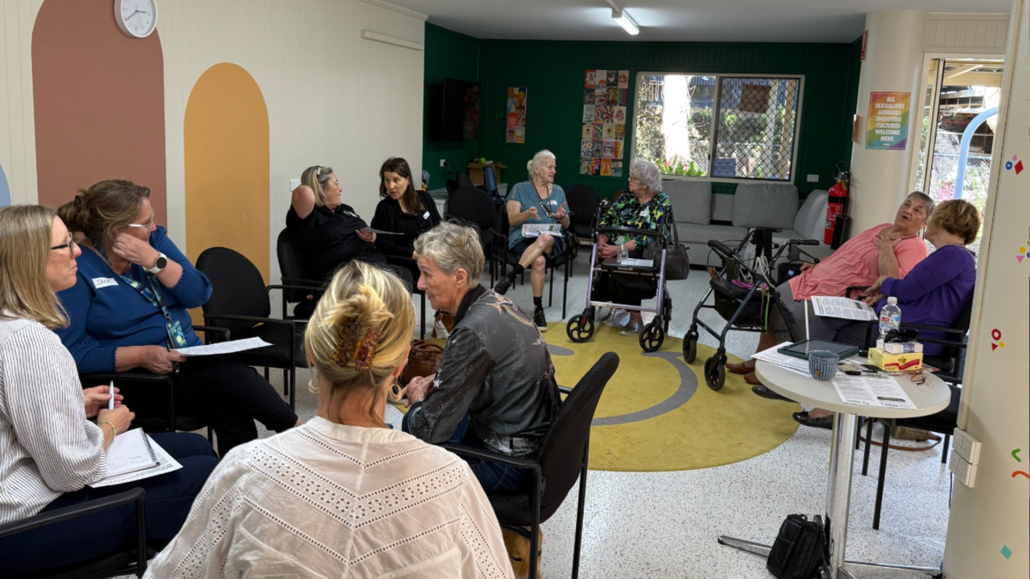
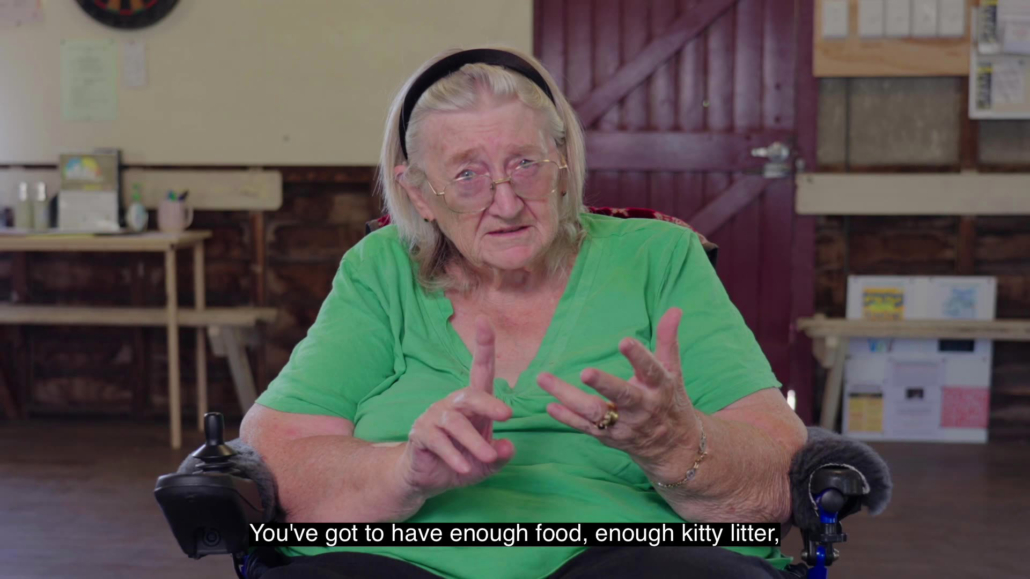
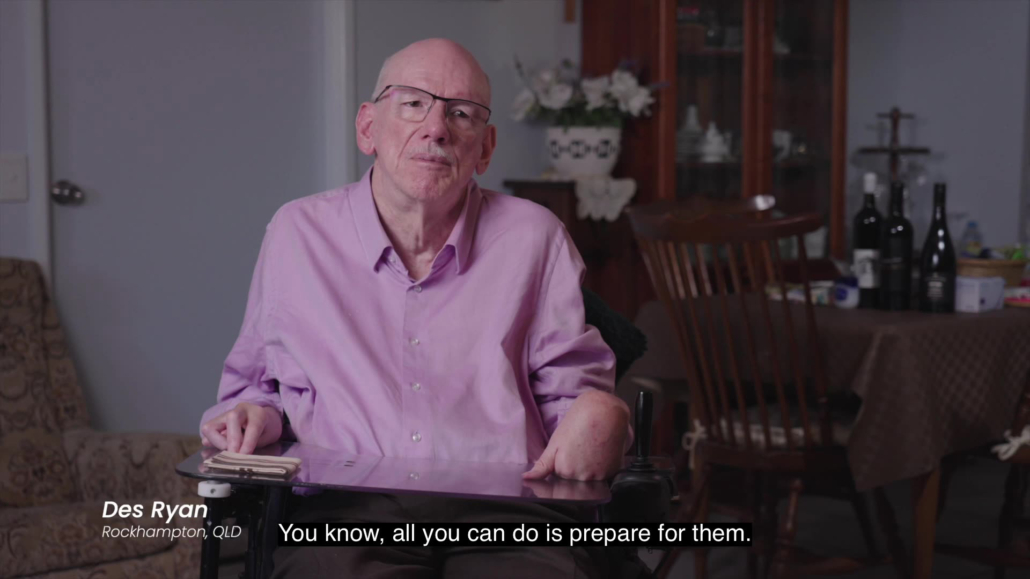
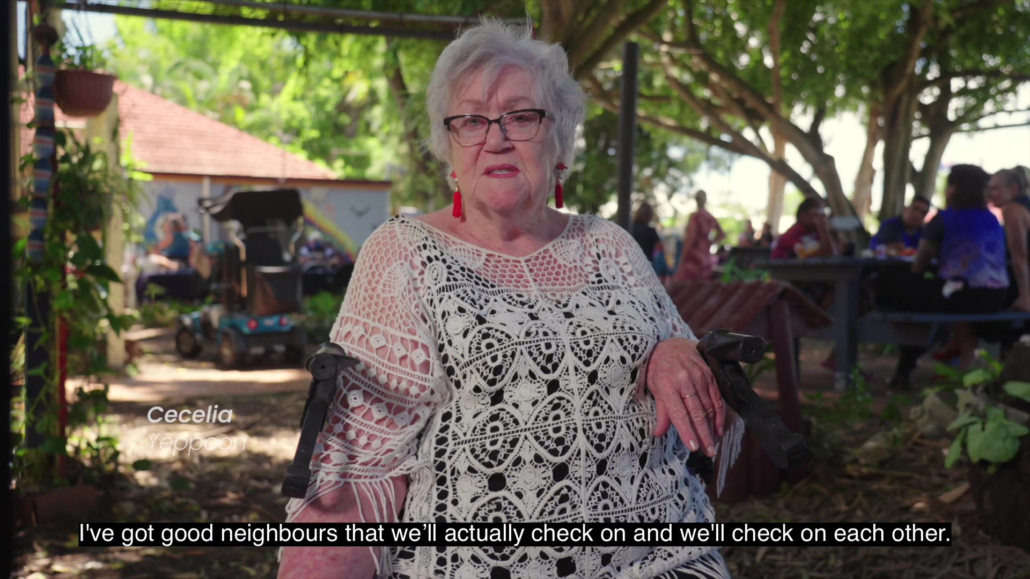
Practical preparedness information needed to be supported by trusted voices, relatable stories and opportunities for discussion. The co-design findings pointed to an approach that allowed older Queenslanders to share their own experience and identify achievable steps towards preparedness.
Why Behavioural Change Communication Matters Here
Knowing the risks isn’t the same as acting on them. Our co-design research confirmed this again and again: seniors could often list what they should do, but hadn’t physically put a plan in place. That gap between intention and action is exactly what behavioural change communication is designed to close.
Rather than pushing information at people, we needed to shift attitudes, build confidence and prompt one small, achievable step at a time. That meant grounding every video, guide and clinical module in real stories, peer influence and strengths-based language to support confidence, reflection and practical action.